Camera buying guide · reviewed August 6, 2026
The best product photography camera is the one you can control and repeat.
Start with light, stability, and a suitable lens. Upgrade the camera only when resolution, focus, color, tethering, or production speed is the proven constraint.
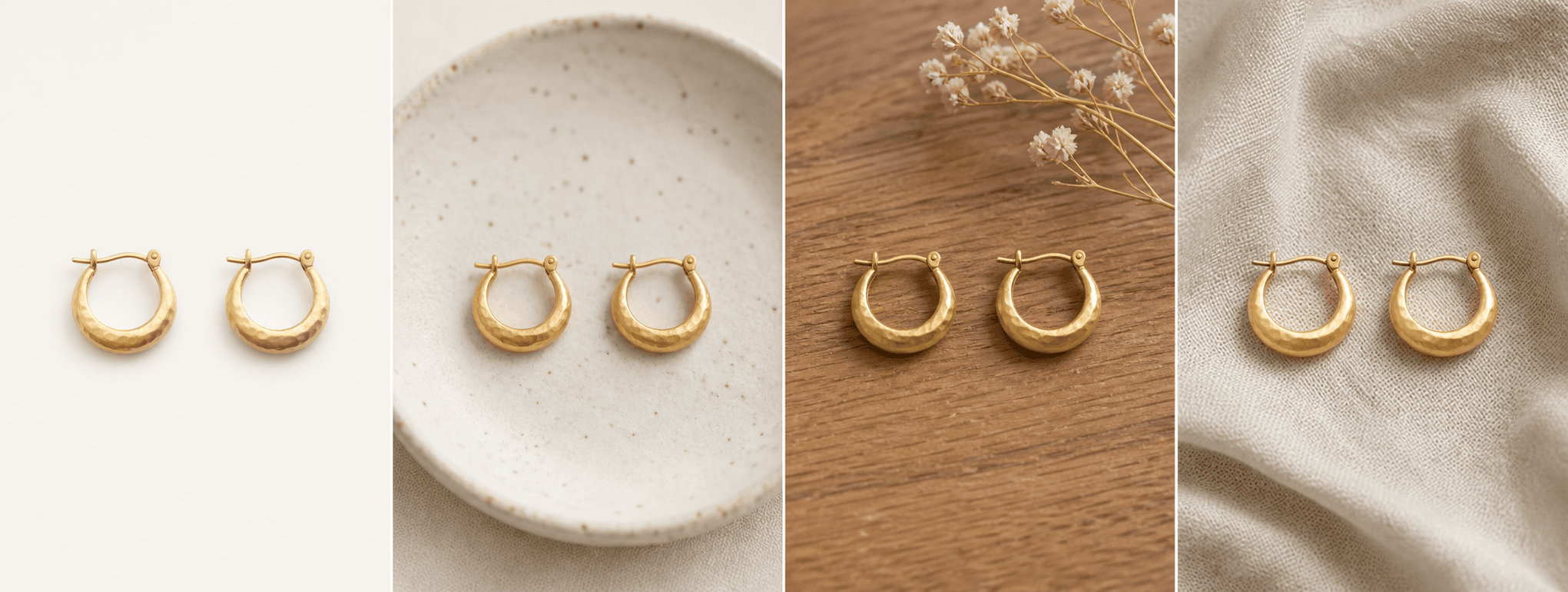
Quick answer
What is the best camera for product photography?
For a small seller, a recent phone with a reliable main camera is often the best starting camera because it is fast, familiar, and capable of sharp ecommerce images in good light. For repeatable catalog work, an interchangeable-lens camera becomes more useful when you need manual exposure, consistent color, tethered shooting, macro lenses, controlled depth of field, or higher-resolution crops.
Do not buy by megapixels alone. Evaluate the complete system: lens working distance, close-focus ability, tripod support, manual controls, tethering, color workflow, battery life, file format, and how quickly another product can be photographed in the same setup.
Platform rules and interfaces can change. Use the linked primary sources as the final authority, then test the result in the marketplace or storefront you actually use.
Choose the system
Use a phone until it creates a measurable limitation.
A phone is a good choice for simple products, fast listing workflows, natural depth of field, and social-first output. Use the main camera rather than digital zoom, clean the lens, stabilize the device, lock focus and exposure when possible, and avoid computational portrait effects that blur product edges.
Choose an interchangeable-lens camera when you need repeatable manual settings, consistent framing across many SKUs, a true macro lens, tethered review on a larger display, or files that tolerate substantial cropping and retouching.
- Phone: fastest setup and lowest friction
- APS-C or full frame: more lens and exposure control
- Macro capability: small jewelry, texture, hardware, and labels
- Tethering: faster quality control across a catalog
Prioritize the lens
Choose a natural perspective and enough working distance.
A moderate normal-to-short-telephoto perspective usually keeps product geometry natural and leaves room for lights and reflectors. Small products may need a macro lens that focuses closely without forcing the camera almost against the item.
Avoid extreme wide-angle views unless the distortion is intentional. Product images need predictable proportions, readable edges, and a working distance that lets you control reflections and background separation.
- Natural perspective for shape accuracy
- Close-focus or macro ability for small products
- Enough working distance for lighting and reflectors
- Consistent focal length across the catalog
Buy for the workflow
Test the production loop, not the specification sheet.
Rent or borrow a candidate camera and photograph one full batch. Check autofocus reliability, manual controls, live view, tethering, file transfer, battery behavior, color consistency, and the time required to deliver the final web images.
A less expensive body with a suitable lens, sturdy tripod, larger soft light, reflector, and color target can outperform an expensive body used in unstable light.
Spend first on the constraint visible in your current images. If the issue is harsh light, camera resolution will not fix it.
Before you publish
Product photography camera buying checklist
Define the work before choosing a body or phone upgrade.
- The camera resolves the smallest product detail customers need to inspect.
- A suitable focal length or macro lens is available within budget.
- Manual exposure, focus, and white balance are easy to repeat.
- Tripod support and tethered or large-screen review fit the workflow.
- Files export efficiently into the required ecommerce dimensions.
- Lighting, lens, support, and accessories are included in the total budget.
Primary references